
Enhancing Patient Care with Advanced EMR System

In today’s healthcare environment, the integration of technology is no longer optional but essential. One of the most transformative tools available is the advanced EMR system. These systems have revolutionized how patient information is stored, accessed, and utilized, leading to significant improvements in patient care. By adopting an advanced electronic medical records system, healthcare providers can streamline workflows, reduce errors, and enhance communication across departments.
The Role of an Advanced EMR System in Modern Healthcare
An advanced EMR system is designed to go beyond simple record-keeping. It offers a comprehensive platform that supports clinical decision-making, patient engagement, and operational efficiency. For example, real-time access to patient histories allows doctors to make informed decisions quickly, reducing treatment delays. Additionally, these systems often include features such as automated alerts for medication interactions, reminders for preventive care, and tools to track patient outcomes.
Hospitals and clinics that implement advanced EMR systems often see a reduction in paperwork and administrative burdens. This frees up healthcare professionals to focus more on direct patient care. Moreover, data analytics integration helps identify trends and potential health risks, enabling proactive interventions.
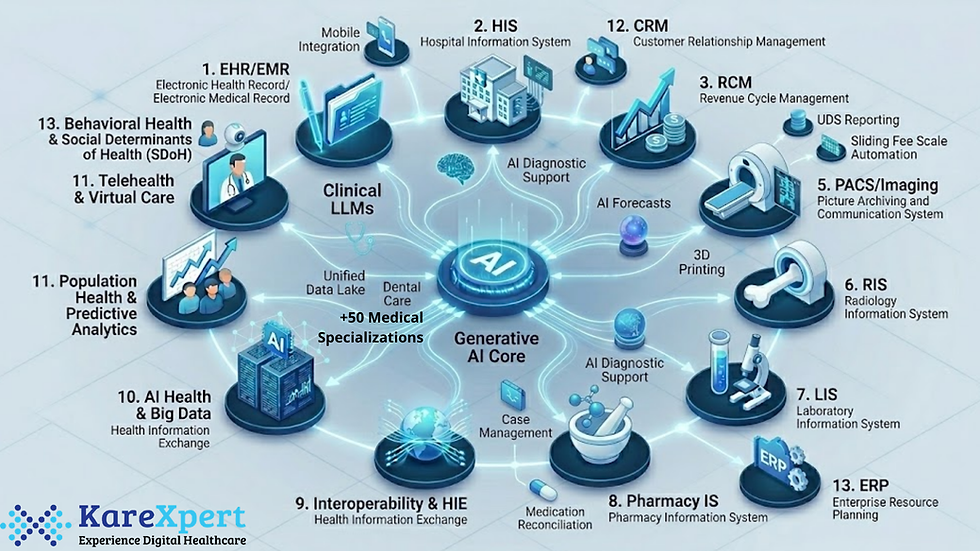
Key Features That Make an EMR System Advanced
Not all EMR systems are created equal. The advanced ones come equipped with several critical features that enhance patient care:
Interoperability: The ability to share data seamlessly across different healthcare providers and systems.
User-friendly Interface: Simplifies data entry and retrieval, reducing errors and saving time.
Clinical Decision Support: Provides evidence-based recommendations and alerts to assist healthcare providers.
Patient Portal Access: Enables patients to view their records, schedule appointments, and communicate with providers.
Data Security: Ensures patient information is protected with encryption and compliance with healthcare regulations.
For instance, interoperability allows a specialist to access a patient’s primary care records instantly, avoiding redundant tests and ensuring continuity of care. Similarly, clinical decision support can alert a physician if a prescribed medication conflicts with the patient’s allergies or current prescriptions.
What are the three types of EHRs?
Understanding the different types of Electronic Health Records (EHRs) is crucial when selecting the right system for your facility. The three main types include:
Standalone EHRs: These systems operate independently and are typically used by smaller practices. They focus on basic record-keeping and may lack advanced features like interoperability.
Networked EHRs: These connect multiple healthcare providers within a network, enabling better data sharing and care coordination.
Cloud-based EHRs: Hosted on remote servers, these systems offer scalability, remote access, and often lower upfront costs. They are increasingly popular due to their flexibility and ease of updates.
Each type has its advantages and limitations. For example, cloud-based EHRs provide excellent accessibility but require reliable internet connectivity. Networked EHRs enhance collaboration but may involve complex integration processes.
Practical Benefits of Implementing an Advanced EMR System
The benefits of an advanced EMR system extend beyond just digitizing records. Here are some practical advantages that directly impact patient care:
Improved Accuracy: Digital records reduce the risk of errors caused by illegible handwriting or misplaced files.
Faster Access to Information: Clinicians can retrieve patient data instantly, speeding up diagnosis and treatment.
Enhanced Coordination: Multiple providers can collaborate more effectively to ensure comprehensive care plans.
Better Patient Engagement: Patients can actively participate in their care through portals and receive timely reminders.
Cost Savings: Reducing paperwork and avoiding duplicate tests lowers operational expenses.
For example, a clinic using an advanced EMR system might notice fewer medication errors due to automated alerts. Similarly, patients benefit from receiving appointment reminders via email or text, reducing no-shows and improving treatment adherence.

Steps to Successfully Integrate an Advanced EMR System
Implementing an advanced EMR system requires careful planning and execution. Here are actionable steps to ensure a smooth transition:
Assess Needs: Identify the specific requirements of your facility, including specialties, patient volume, and workflow.
Choose the Right System: Evaluate options based on features, scalability, and vendor support.
Train Staff: Provide comprehensive training to ensure all users are comfortable and proficient.
Data Migration: Plan the transfer of existing records carefully to avoid data loss or corruption.
Test and Optimize: Conduct thorough testing before full deployment and gather feedback for continuous improvement.
Maintain Security: Implement robust cybersecurity measures to protect patient data.
By following these steps, healthcare providers can minimize disruptions and maximize the benefits of their new system. Regular updates and ongoing training are also essential to keep the system running efficiently.
Looking Ahead: The Future of Patient Care with EMR Technology
The future of patient care is closely tied to advancements in EMR technology. Emerging trends include the integration of artificial intelligence to predict patient outcomes, enhanced telemedicine capabilities, and greater use of mobile health applications. These innovations promise to make healthcare more personalized, accessible, and efficient.
As healthcare providers, we will need to embrace these technologies to meet patients' evolving needs. An advanced EMR system is not just a tool for record-keeping but a foundation for delivering high-quality, patient-centered care.
For those interested in exploring options, consider how an electronic medical records system can be tailored to your facility’s unique needs. The right system can transform your operations and significantly improve patient experiences.
By investing in an advanced EMR system, healthcare providers can unlock new levels of efficiency and care quality. The journey may require effort and resources, but the rewards—in terms of patient outcomes and operational excellence—are well worth it.


Comments