
Optimize Pharmacy Inventory in Hospitals for Better Efficiency

Managing pharmacy inventory in hospitals is a critical task that directly impacts patient care, operational costs, and overall hospital efficiency. Overstocks can lead to wasted resources and expired medications, while shortages can delay treatment and compromise patient safety. In this post, I will share practical strategies and insights to help optimize pharmacy inventory in hospitals, ensuring the right medications are available at the right time without unnecessary excess.
Understanding Pharmacy Inventory Optimization
Pharmacy inventory optimization means maintaining an ideal balance between supply and demand. It involves tracking medication usage patterns, forecasting needs accurately, and streamlining procurement and storage processes. The goal is to reduce waste, minimize costs, and improve the availability of essential drugs.
To start, hospitals should analyze historical data on medication consumption. This includes identifying high-turnover drugs, seasonal variations, and emergency stock requirements. For example, flu season often demands increased antiviral medications, while elective surgery schedules influence anesthetic supplies.
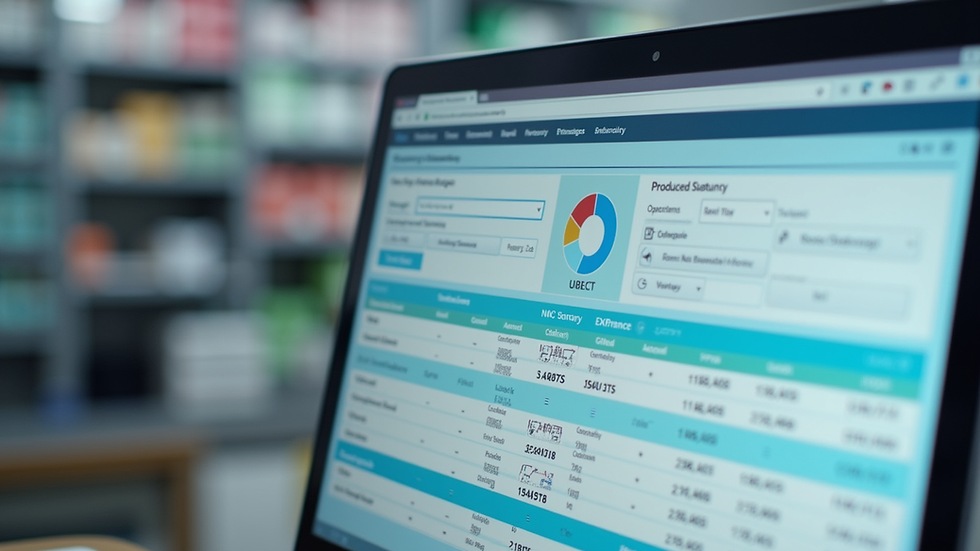
Implementing automated inventory management systems can significantly enhance accuracy. These systems provide real-time data on stock levels, expiration dates, and reorder points. They also help prevent human errors common in manual tracking.

Key Strategies for Pharmacy Inventory Optimization
Optimizing pharmacy inventory requires a combination of technology, process improvements, and staff training. Here are some actionable strategies:
Adopt Just-In-Time (JIT) Inventory Practices
JIT minimizes inventory holding by ordering medications only when needed. This reduces storage costs and the risk of expired drugs. However, it requires reliable suppliers and efficient logistics.
Implement ABC Analysis
Categorize medications based on their value and usage frequency:
A items: High value, low quantity (e.g., expensive biologics)
B items: Moderate value and quantity
C items: Low value, high quantity (e.g., common analgesics)
Regular Audits and Cycle Counts
Conduct frequent inventory audits to identify discrepancies early. Cycle counting smaller subsets of inventory regularly is more manageable than annual full counts.
Use Forecasting Tools
Leverage software that uses historical data and predictive analytics to forecast medication needs. This helps in planning procurement and avoiding stockouts.
Train Pharmacy Staff
Ensure staff understand inventory processes and the importance of accurate data entry. Well-trained personnel reduce errors and improve inventory reliability.
Establish Clear Reorder Points
Define minimum stock levels for each medication. When inventory hits this point, automatic reorder alerts should trigger procurement.
Focus tighter controls on A items to avoid overstocking.
Leveraging Technology for Inventory Control
Technology plays a pivotal role in modern pharmacy inventory optimization. Automated systems integrate with hospital information systems to provide seamless data flow. This integration supports better decision-making and operational efficiency.
For example, barcode scanning during medication receipt and dispensing reduces manual errors. RFID technology can track medication movement in real time, enhancing security and accountability.
Cloud-based inventory platforms offer accessibility from multiple locations, which is especially useful for hospitals with several branches or satellite clinics. These platforms enable centralized monitoring and coordination.
The Role of Hospital Pharmacy Inventory Management in Patient Care
Efficient hospital pharmacy inventory management is not just about cost savings; it directly affects patient outcomes. When medications are available and properly managed, treatment delays are minimized, and medication errors decrease.
For instance, having critical drugs like antibiotics or emergency medications readily accessible can be lifesaving. Conversely, expired or improperly stored medications can lead to ineffective treatment or adverse reactions.
By optimizing inventory, hospitals can also improve compliance with regulatory standards and accreditation requirements. This reduces the risk of penalties and enhances the institution’s reputation.
Best Practices for Sustainable Inventory Management
Sustainability in pharmacy inventory means maintaining efficiency over time without compromising quality or safety. Here are some best practices to ensure long-term success:
Collaborate with Suppliers
Build strong relationships with reliable suppliers who can provide timely deliveries and flexible order quantities.
Monitor Expiry Dates Closely
Use the First Expired, First Out (FEFO) method to minimize waste. Regularly review stock to remove or return near-expiry items.
Optimize Storage Conditions
Ensure medications are stored according to manufacturer guidelines to preserve efficacy. Proper temperature and humidity control are essential.
Engage in Continuous Improvement
Regularly review inventory processes and performance metrics. Use feedback from pharmacy staff and clinical teams to identify areas for improvement.
Integrate Inventory with Clinical Workflows
Align inventory management with patient care schedules and treatment protocols to anticipate demand accurately.
Moving Forward with Pharmacy Inventory Optimization
Optimizing pharmacy inventory in hospitals is an ongoing journey that requires commitment, technology, and collaboration. By applying these strategies, hospitals can reduce costs, improve medication availability, and enhance patient safety.
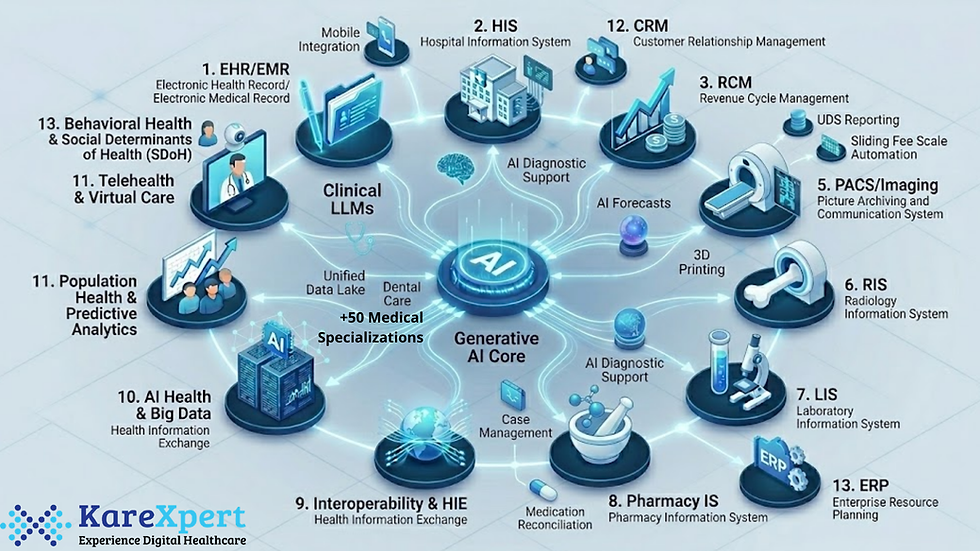
Investing in digital platforms that support real-time information exchange and integrated workflows is a key step toward achieving these goals. Such systems empower healthcare providers to make informed decisions quickly and efficiently.
Ultimately, a well-optimized pharmacy inventory contributes to a smoother hospital operation and better patient experiences. It is a foundational element in delivering high-quality healthcare in today’s fast-paced environment.

Comments