
Pharmacy Inventory Optimization in Hospitals: A Practical Guide

Managing hospital pharmacy inventory is a critical task that directly impacts patient care, operational efficiency, and cost control. Overstocks can lead to expired medications and wasted resources, while shortages can delay treatment and compromise patient safety. In this post, I will share practical insights and actionable strategies to optimize hospital pharmacy inventory, helping healthcare providers maintain the right balance of stock and improve overall service quality.
Understanding Pharmacy Inventory Optimization
Pharmacy inventory optimization means maintaining the ideal quantity and variety of medications and supplies to meet patient needs without overstocking or running out. It involves careful planning, monitoring, and adjusting inventory levels based on demand, usage patterns, and supplier reliability.
To start, it’s essential to categorize medications by their usage frequency, criticality, and shelf life. For example:
High-use, critical drugs like antibiotics and emergency medications require constant availability.
Low-use or seasonal drugs can be stocked in smaller quantities or ordered on demand.
Short-shelf-life items require tighter control to avoid expiration.
By segmenting inventory this way, hospitals can prioritize resources and reduce waste.
Benefits of Pharmacy Inventory Optimization
Reduced costs by minimizing expired or excess stock.
Improved patient care through the timely availability of medications.
Enhanced workflow efficiency by streamlining ordering and storage.
Better compliance with regulatory requirements.

Key Strategies for Pharmacy Inventory Optimization
Optimizing pharmacy inventory requires a combination of technology, process improvements, and staff training. Here are some effective strategies:
1. Implement Inventory Management Software
Using specialized software designed for hospital pharmacies can automate tracking, forecasting, and ordering. These systems provide real-time data on stock levels, expiration dates, and usage trends. They can also generate alerts for low stock or approaching expiration, helping prevent shortages and waste.
2. Adopt Just-in-Time (JIT) Inventory Practices
JIT inventory means ordering medications only as needed, reducing storage costs, and minimizing expired stock. This approach requires strong supplier relationships and reliable delivery schedules. Hospitals should work closely with vendors to ensure timely replenishment.
3. Regular Audits and Cycle Counts
Conducting frequent physical counts of inventory helps verify system accuracy and identify discrepancies. Cycle counting, in which a subset of items is counted regularly, can be less disruptive than full inventory audits while still maintaining accuracy.
4. Standardize Medication Lists and Usage Protocols
Limiting the variety of medications to essential, approved drugs reduces complexity and stock requirements. Standard treatment protocols help predict medication needs more accurately.
5. Train Pharmacy Staff
Staff should be trained on inventory management best practices, including proper storage, handling, and documentation. Empowered and knowledgeable staff can identify issues early and contribute to continuous improvement.
Leveraging Data for Smarter Inventory Decisions
Data analysis plays a crucial role in optimizing pharmacy inventory. By examining historical usage patterns, hospitals can forecast future demand more accurately. For example, analyzing seasonal trends in flu medication usage can help adjust stock levels ahead of peak periods.
Hospitals can also use data to identify slow-moving or obsolete items and adjust purchasing accordingly. Integrating pharmacy data with other hospital systems, such as electronic health records (EHR), can provide a comprehensive view of patient needs and medication usage.

The Role of Technology in Hospital Pharmacy Inventory Management
Modern technology solutions are transforming how hospitals manage pharmacy inventory. Automated dispensing cabinets, barcode scanning, and RFID tagging improve accuracy and reduce manual errors. These tools enable real-time tracking of medication movement from storage to patient administration.
Cloud-based platforms, such as VTS Karexpert, allow multiple hospital departments to access up-to-date inventory information, facilitating better coordination and decision-making. Integration with procurement systems streamlines ordering and reduces administrative burden.
For hospitals aiming to enhance their pharmacy operations, investing in comprehensive digital platforms is a strategic move. These platforms support seamless, real-time information exchange and integrated workflows, aligning with goals to optimize operations, reduce costs, and improve patient care.
One example of such a solution is
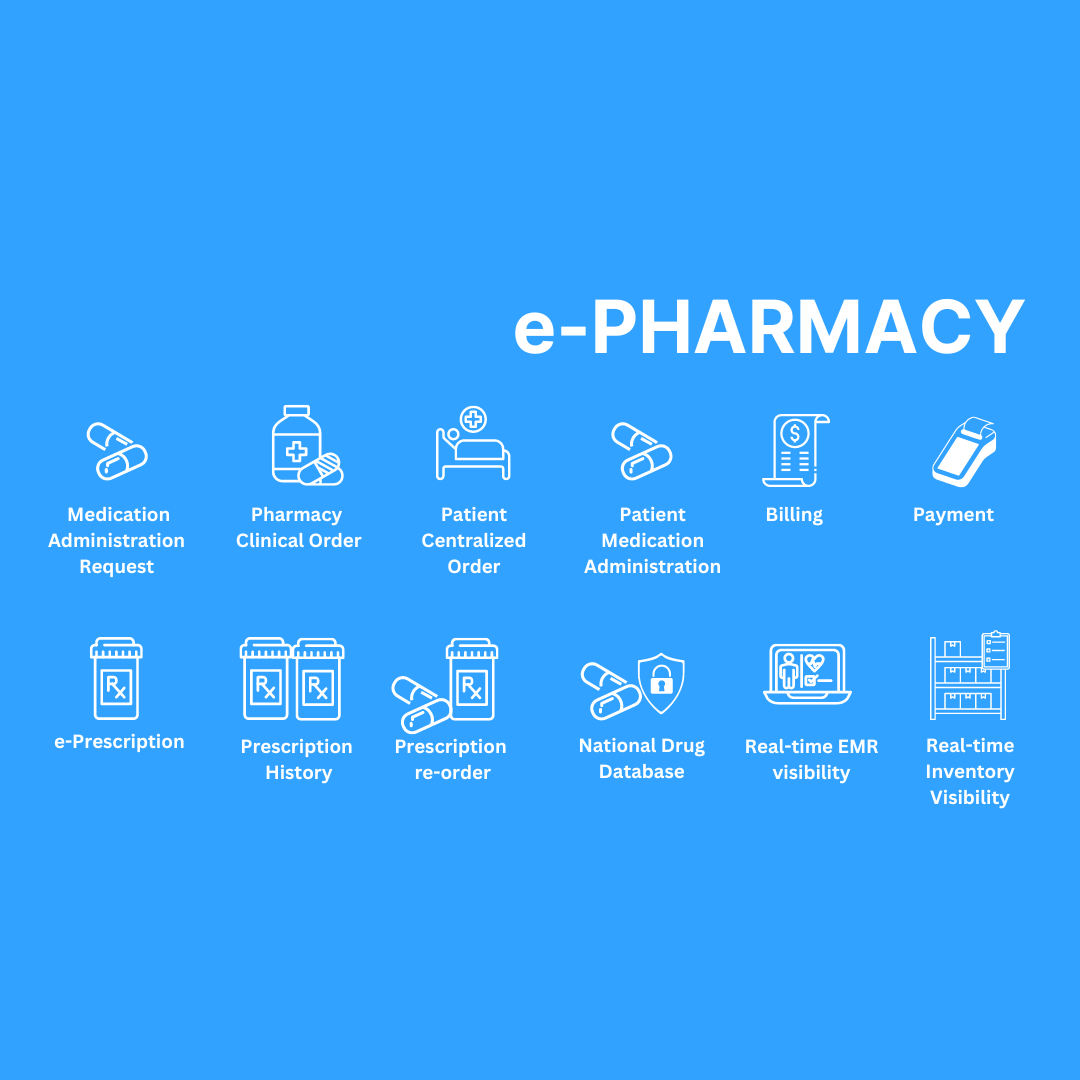
which offers tailored features for healthcare providers of all sizes.
Practical Tips to Maintain Optimized Inventory Daily
Optimization is an ongoing process. Here are some daily practices to keep inventory in check:
Review stock levels at the start of each shift to identify urgent needs.
Rotate stock regularly to use older items first and reduce expiration risk.
Document all inventory movements accurately to maintain data integrity.
Communicate with clinical teams to anticipate changes in medication demand.
Schedule regular meetings with suppliers to talk about delivery performance and resolve any issues.
By embedding these habits into daily routines, hospitals can sustain inventory optimization and respond quickly to changing circumstances.
Moving Forward with Pharmacy Inventory Optimization
Optimizing pharmacy inventory is not just about cutting costs; it’s about enhancing the entire healthcare delivery process. When medications are available when and where they are needed, patient outcomes improve, staff workflows become smoother, and hospitals operate more efficiently.
Investing in technology, adopting best practices, and fostering collaboration across departments are key steps toward this goal. As healthcare continues to evolve, so must the strategies we use to manage critical resources, such as pharmacy inventory.
By focusing on continuous improvement and leveraging data-driven insights, hospitals can achieve a balanced, responsive, and cost-effective pharmacy inventory system that supports excellent patient care.
These insights help you take meaningful steps toward pharmacy inventory optimization in your hospital. Remember, the right balance of stock is essential for both operational success and patient safety.
Learn more about VTS Karexpert capabilities for hospital management.


Comments